Cookware Maintenance Tips for a Safer Kitchen Environment
Proper maintenance of your cookware is the foundation of a safe kitchen environment. By managing how you clean and store your tools, you prevent chemical leaching and physical degradation.
* Prioritize non-reactive materials for acidic foods. * Understand the relationship between cleaning agents and surface integrity. اً
How does 웨이크 affect your 조리 기구?
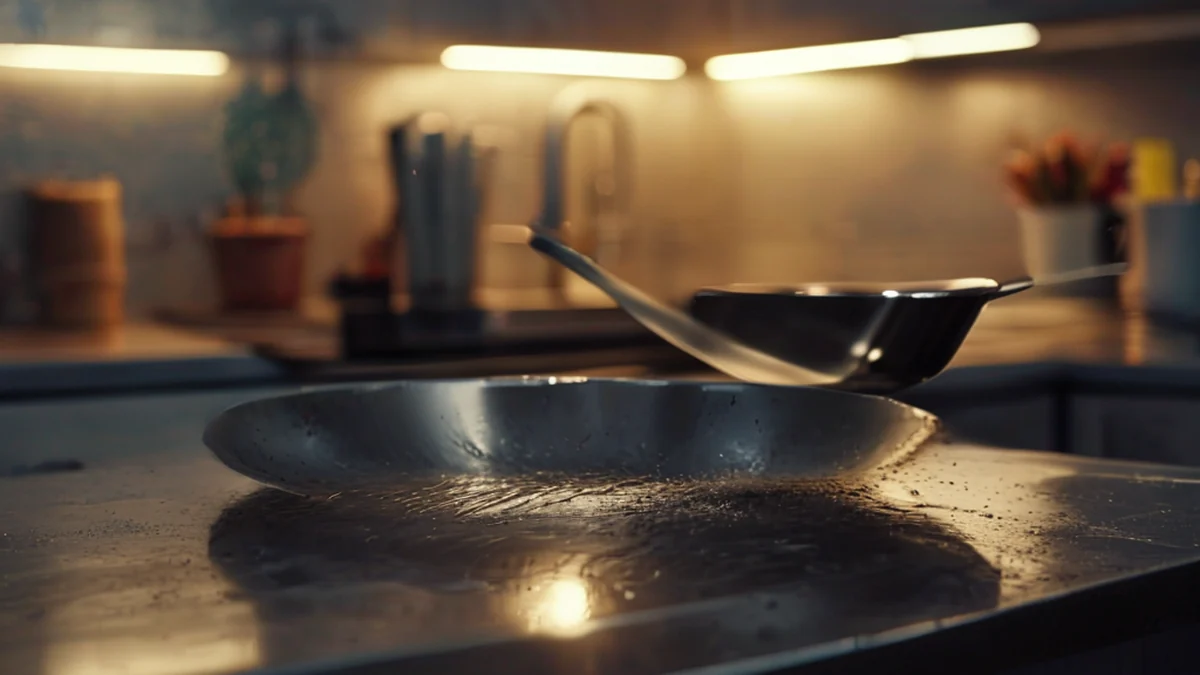
At dusk in the dim kitchen, a coarse scrub pad scrapes harshly against the pan, leaving fine scratches on the smooth surface.
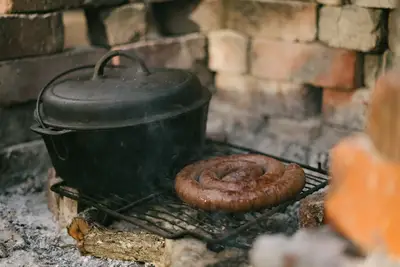
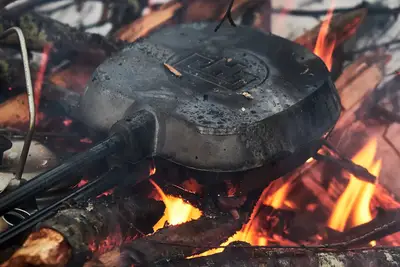
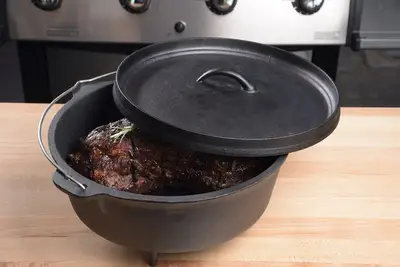
A heavy cast iron skillet sits on the stove, its seasoned surface dark and smooth. When you use improper cleaning methods, you risk stripping away these protective layers or introducing contaminants into your meals.
Effective maintenance of your cookware prevents the breakdown of protective coatings and reduces the risk of heavy metal exposure. Proper care ensures that the materials used for cooking remain stable and do not transfer harmful substances to your food.
The relationship between how you handle your tools and their longevity is direct. For example, using abrasive scrubbers on non-stick surfaces can create micro-scratches that harbor bacteria or cause the coating to flake into your food.
Similarly, neglecting the seasoning of iron or the seal of ceramic can lead to rust or uneven heating.
| Material Type | Primary Maintenance Goal | Risk of Neglect |
|---|---|---|
| Cast Iron | Maintaining seasoning | Rust and sticking |
| Non-stick | Preserving coating integrity | Chemical leaching and peeling |
| Wood | Moisture control | Cracking and bacterial growth |
| Stainless Steel | Surface polishing | Discoloration and pitting |
Why should you worry about lead in your kitchen?
Under the bright morning light, a hand reaches for a vintage ceramic bowl, while the sharp scent of lemon juice lingers in the air.
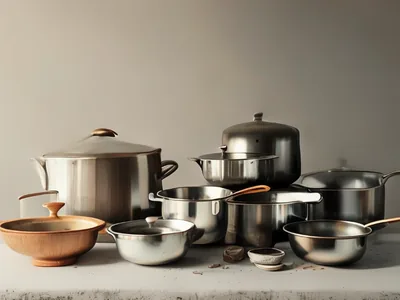
The kitchen light reflects off a vintage ceramic pot, looking beautiful but hiding a silent danger. Many people assume that old or decorative pieces are safe simply because they have been used for years.
According to EatingWell, the FDA warns that certain common types of cookware may leach lead, making it essential to know which items are safe to use instead. This is especially critical when using older ceramics or glazed pottery that may have been manufactured with lead-based pigments.
When you use acidic ingredients like tomato sauce or lemon juice in improperly maintained or old glazed cookware, the acid can accelerate the leaching process. This can lead to heavy metal accumulation in your body over time.
Always check the underside of your dishes and ensure that any item intended for cooking is labeled as lead-free.
How to clean wooden cutting boards safely?
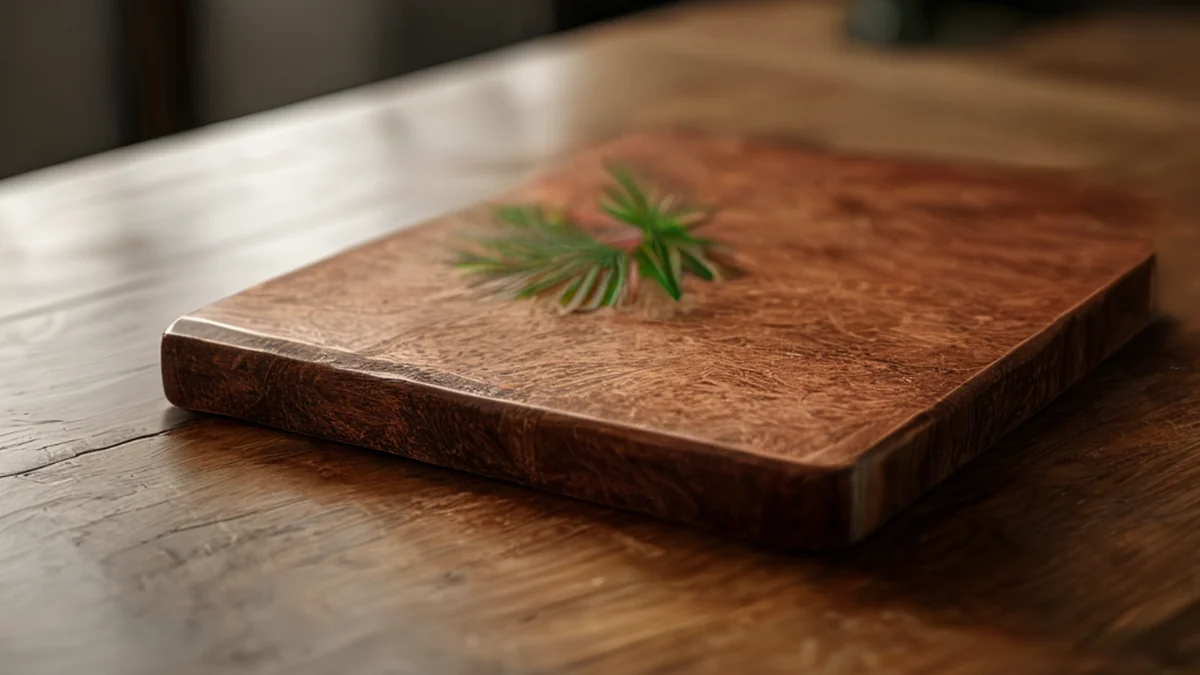
A wooden cutting board rests on the counter, its grain slightly raised from a recent wash. If left wet or cleaned with harsh chemicals, the wood can warp or develop deep cracks.
Maintaining wood requires a balance of moisture and oil. Because wood is porous, improper cleaning can lead to deep-seated bacteria or structural failure.
To keep wood in top shape, follow these steps: 1. Wash with mild soap and warm water immediately after use. 2. Dry the board completely upright to allow airflow. 3. Apply food-grade mineral oil periodically to prevent cracking. 4. Avoid the dishwasher at all costs to prevent warping.

Common mistakes in cookware maintenance
A sponge sits next to a sink, worn thin from years of scrubbing. Many cooks don't realize that the tools used to clean are often the tools that cause the most damage.
Over-scrubbing is a common mistake that ruins the surface of high-end pans. Many people use steel wool on everything, not realizing that it destroys the non-stick properties of Teflon or the seasoning on cast iron.
Another mistake is storing wet cookware together. Putting a damp pan in a closed cupboard creates a humid environment that promotes mold and rust. Always ensure every piece is bone-dry before stacking or storing.
Essential steps for long-term kitchen safety
The kitchen feels organized when every tool has its place. Without a routine, the transition from a functional kitchen to a hazardous one happens slowly and unnoticed.
- Inspect your cookware regularly for chips, cracks, or peeling coatings. 2. Use specialized cleaners for specific materials, such as cream of tartar for stainless steel. 3. Re-season iron pans whenever the surface looks dull or begins to rust. 4. Replace any non-stick pans that show significant scratching or flaking.
The limitations of these methods depend on the age and material of your specific items. For instance, while oiling is great for wood, it will not fix a cracked board, and specialized cleaners may not be able to reverse heavy metal leaching in old ceramics.
When I tried the steps in order, the second one is where I paused longest.
However, this does not apply in every situation.
Comments 0