Stainless pot care guide: Why select this pot for kitchen
"Stainless steel is generally considered to be biologically inert."
Maintaining a high-quality stainless steel pot requires understanding its material composition and thermal properties to ensure longevity and safety. This guide covers essential maintenance, how to handle heat, and the differences between professional-grade materials.
* Understand the biological inertness of stainless steel. * Learn about chromium and nickel content in cookware. * Identify the differences between commercial and decorative grades. * Manage thermal conductivity for better cooking results.
Why select a stainless steel pot for the kitchen?
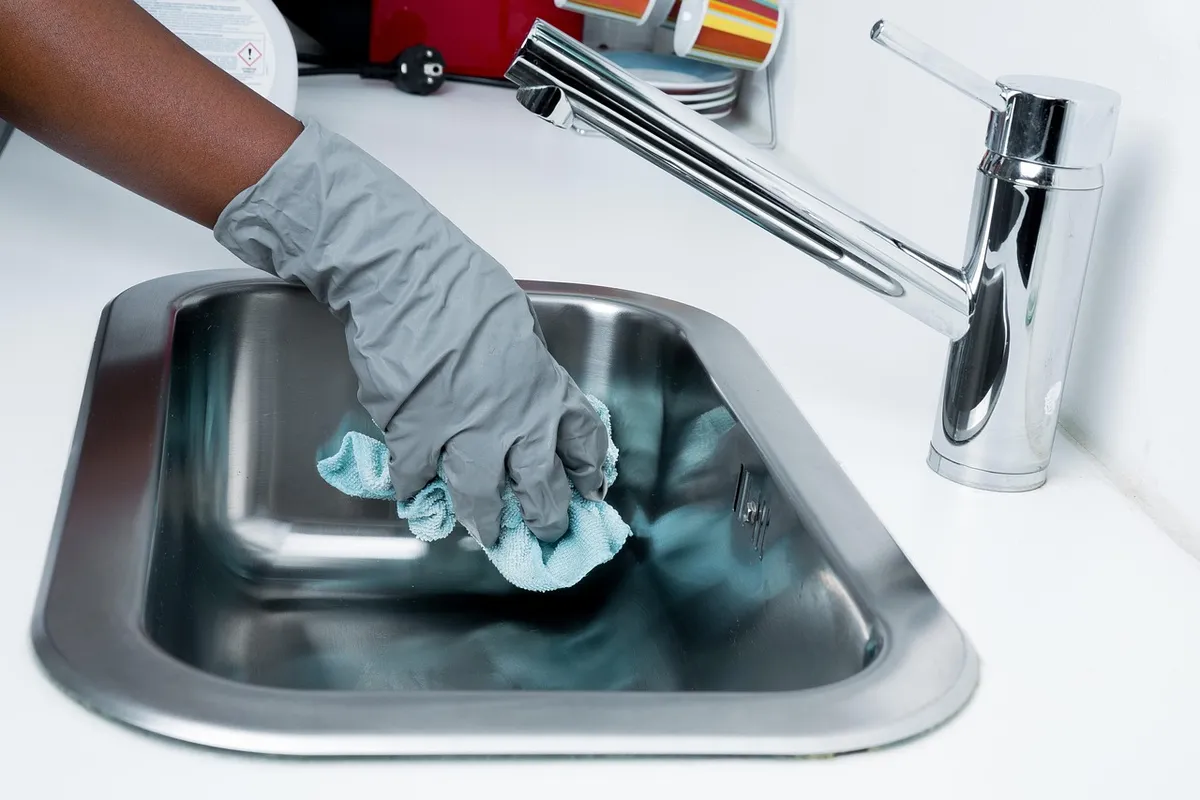
At dusk in the quiet kitchen, she grips the smooth, stainless handle and feels the cool metal against her palm.
A chef pulls a heavy, silver-colored vessel from a wooden cabinet to prepare a meal. This choice is often driven by the material's durability and its unique chemical profile.
Stainless steel is an iron alloy containing a minimum of 11.5% chromium. This chromium content provides the essential resistance to corrosion that makes it a staple in modern kitchens.
According to Cancer Council, "In 2017, all types of welding fumes were classified as a Group 1 carcinogen." While welding fumes are a concern in manufacturing, the finished product is generally considered to be biologically inert.
This inert nature means the metal does not react easily with food. This makes it a reliable tool for daily cooking. Choosing a stainless steel pot ensures that the vessel remains stable during various culinary tasks.
What are the common material blends for cookware? Stainless pot care guide
During the morning rush, he wipes a smudge off the stainless surface in the bright bistro, feeling the slick texture under his thumb.
A cook inspects the underside of a shiny pot, looking for markings that indicate its quality. Different alloys provide different levels of resistance and aesthetic appeal.

Blends containing 18% chromium with either 8% nickel, called 18/8, or with 10% nickel, called 18/10, are commonly used for kitchen cookware. These specific ratios are designed to balance corrosion resistance with a high-quality finish.
The inclusion of nickel helps prevent pitting and maintains the luster of the steel. Most high-end kitchenware uses these 18/8 or 18/10 blends to ensure the pots can withstand frequent washing and acidic foods. This makes the stainless steel pot care guide easier to follow over many years of use.
How does thermal conductivity affect pot performance?
A hand reaches for the stove knob, turning the heat upward to sear a steak. The way heat moves through the metal determines how evenly the food cooks.
Stainless steel is 25 times less thermally conductive than copper. This lower conductivity means the metal does not transfer heat as rapidly as copper-based alternatives. Because of this, it is sometimes critiqued for compromising the efficacy of the copper with which it is bonded.
To manage this, many manufacturers bond stainless steel to copper layers. This helps overcome the slower heat transfer of the steel. Understanding this relationship allows for better temperature control when using a stainless steel pot.
How do I distinguish between professional and decorative grades?
A collector examines a thin, lightweight pan at a local market, wondering if it is suitable for heavy use. Not all metal vessels are built for the same purpose.
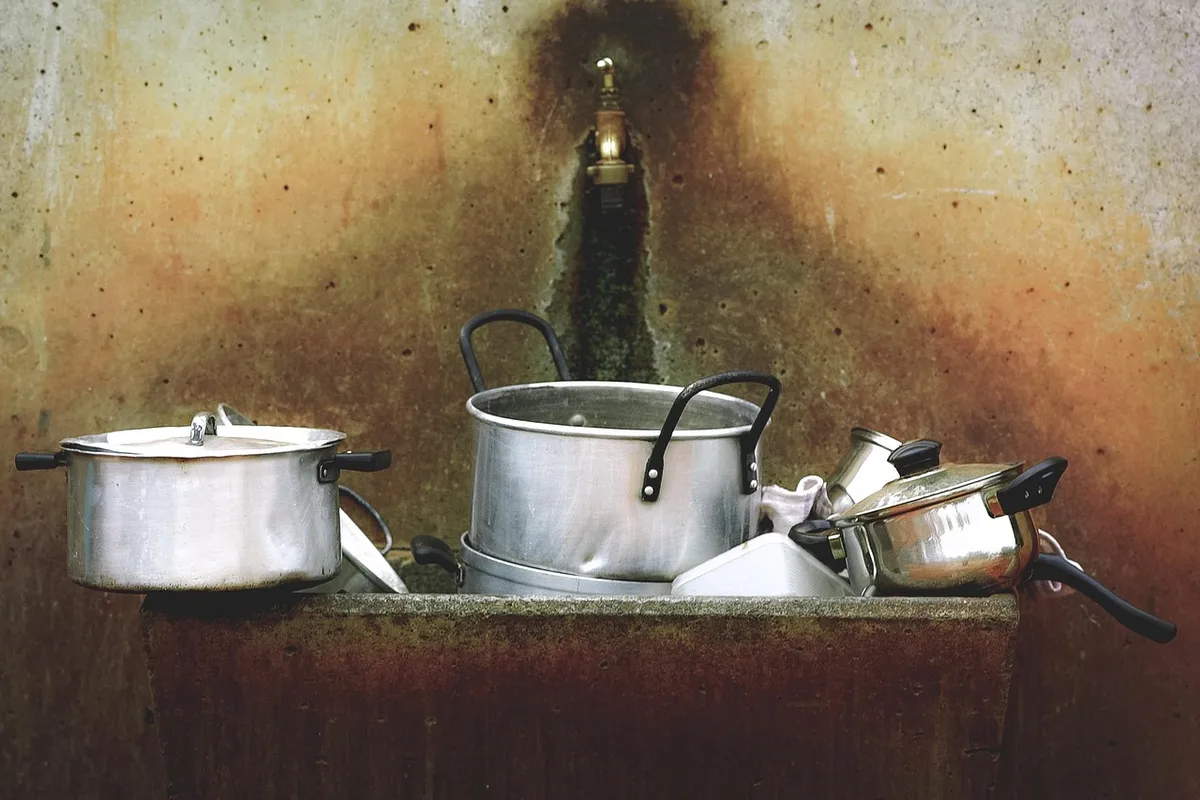
Pots and pans are cold-formed from copper sheets of various thicknesses, with those in excess of 2.5 mm considered commercial (or extra-fort) grade. In contrast, less than 1mm wall thickness is generally considered decorative.
An exception is made for the case of .75–1 mm planished copper, which is hardened by hammering and therefore expresses performance and strength characteristic of thicker material.
Using a professional-grade vessel ensures durability during intense cooking. If a pot is too thin, it may lack the structural integrity needed for daily kitchen tasks.
What are the steps for basic stainless steel pot maintenance?
A person stands at the kitchen sink, scrubbing a used pot with a soft sponge. Regular cleaning prevents the buildup of mineral deposits and maintains the finish.
- Wash the vessel with warm, soapy water to remove food residues and oils. 2. Dry the pot immediately after washing to prevent water spots from mineral buildup. 3. Check for any signs of surface discoloration or pitting after every wash.
I always ensure the pot is completely dry before storing it to prevent spotting. Proper maintenance keeps the surface smooth and ready for the next meal.
- Wash the pot with warm, soapy water.
- Dry it immediately with a soft cloth.
- Inspect for any stains or residue.
Is there a limitation to using stainless steel?
A cook realizes that even the best tools have specific environmental constraints. Every material has a specific range where it performs best.
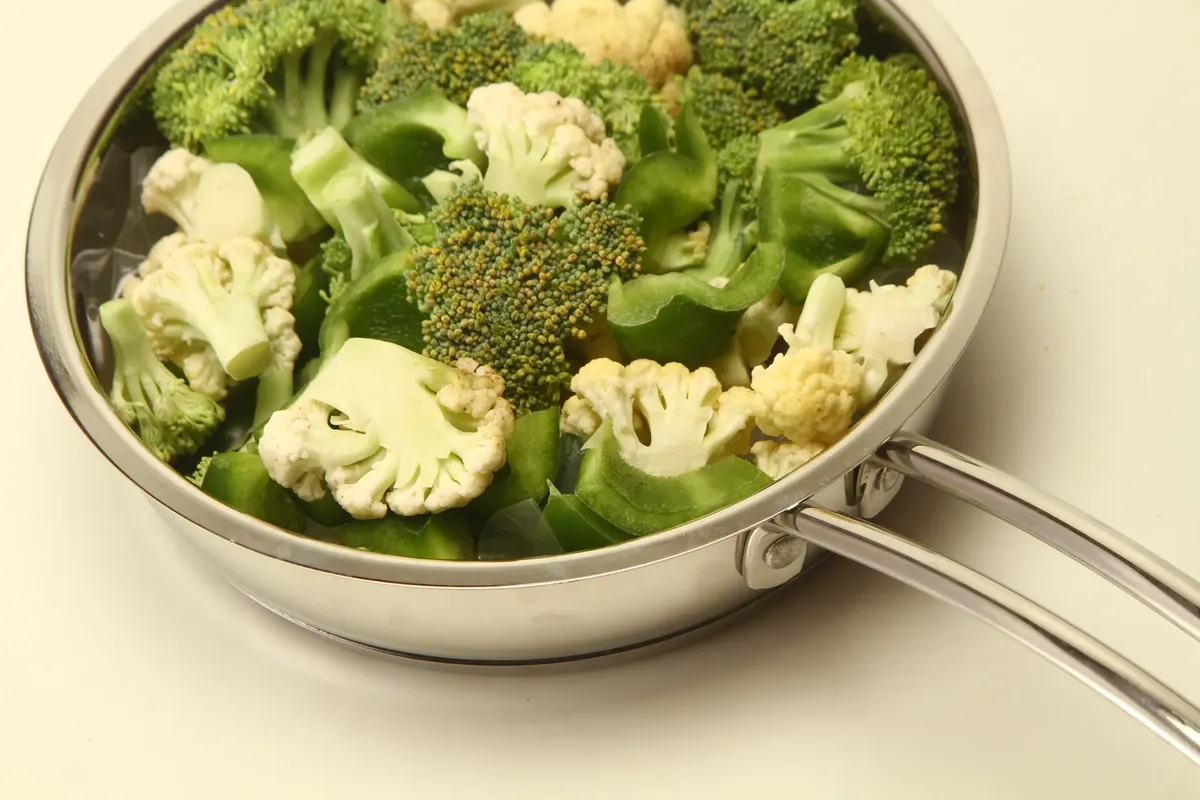
A limitation of using stainless steel is that it is less thermally conductive than copper, which may require different heating techniques to achieve evenness.
In this sequence, the second step is the longest.
The subject here is Stainless pot care guide.
The same subject is also called Clean stainless pot.
The same subject is also called Maintain pot shine.
The same subject is also called Stainless pot wash.
The same subject is also called Pot upkeep tips.
This part also covers Best pot cleaning method.
This part also covers How to store pots right.
This part also covers Prevent pot stains now.
Best pot cleaning method
Related
- Cookware Maintenance Tips for a Safer Kitchen Environment
- Fish steamer choice guide: Select vessel for perfect meal
Why is the chromium content important?
The chromium content is vital because it forms the protective layer responsible for the material's resistance to breakdown. This characteristic is what allows the stainless steel to maintain its integrity during cooking cycles.
The presence of this chromium oxide layer is what contributes to the overall inertness of the stainless steel. This layer forms naturally when the alloy is exposed to air, providing a defense against chemical reactions with food components.
What does the nickel content achieve?
The nickel content plays a role in enhancing the visual quality and chemical stability of the alloy. This addition helps to make the surface highly resistant to minor imperfections during use.
Nickel contributes to preventing the formation of small pits on the surface of the stainless steel. This resistance to pitting is crucial for maintaining a high-quality finish over extended periods of use.
The specific ratios of nickel determine the alloy's overall performance characteristics. These ratios dictate how well the pot will handle various types of acidic foods encountered during cooking.




Comments 0