Cookware design and usability: Thermal limits guide
"Design is not just what it looks like and feels like. Design is how it works."
Understanding the relationship between material composition and thermal resilience is essential for choosing reliable cookware. This guide compares glass compositions and thermal tolerances to help you select tools that withstand kitchen heat.
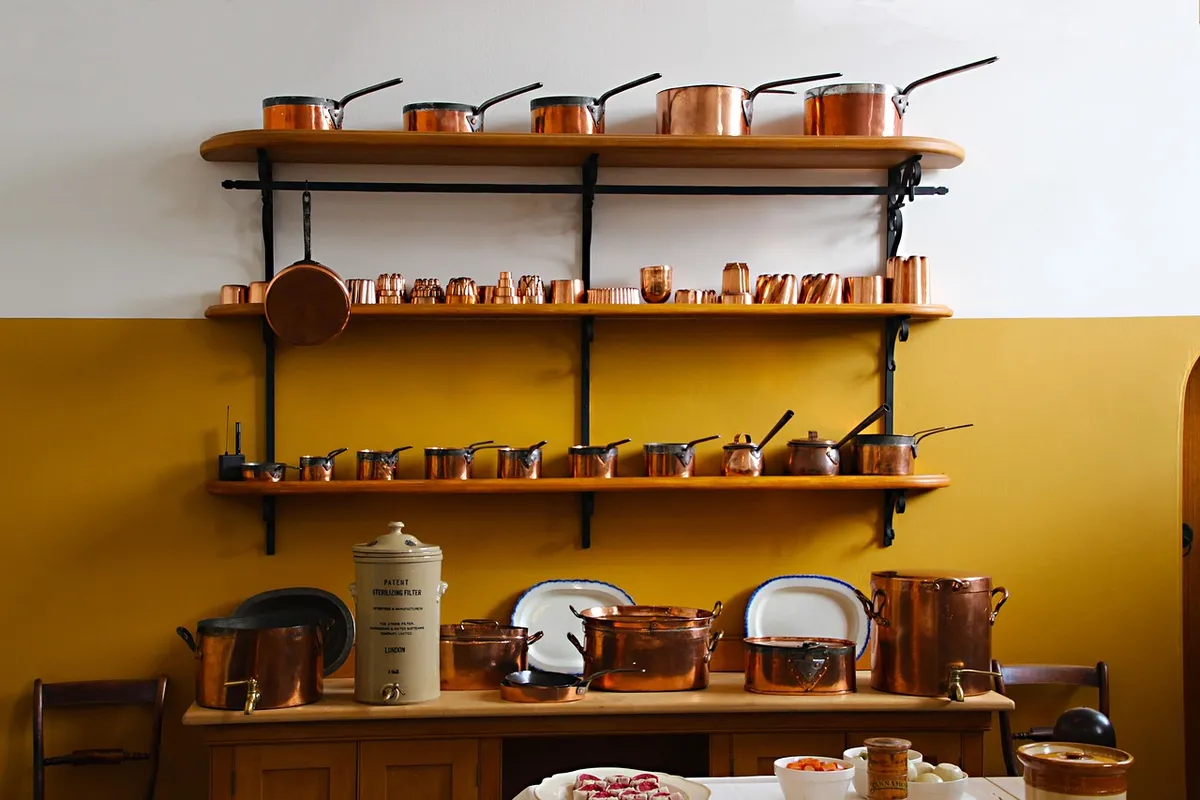
You will learn about borosilicate versus soda lime glass, practical heat resistance tips, and the limitations of temperature differentials.
How does material composition affect cookware durability?
A technician examines a glass beaker under bright laboratory lights to check for cracks. The chemical makeup of glass determines how it reacts to sudden changes in temperature.
The composition of glass directly influences its ability to handle thermal stress. For instance, data sheets for Corning 7740 show a composition of 80.6% SiO2, 13.0% B2O3, 4.0% Na2O, 2.3% Al2O3, and 0.1% miscellaneous traces.
Meanwhile, Schott 8330 data sheets list a composition of 81% SiO2, 13% B2O3, 3.5% Na2O, 2% Al2O3, and 0.5% K2O.
These different balances of silica and boron trioxide change how the material expands or contracts. A Kitchen tool design study might look at these chemical variations to predict longevity.
By understanding these internal structures, users can better navigate the trade-offs between clarity and strength.
What is the difference in temperature tolerance? Cookware design and usability
I pull the steaming cookware from the oven and set it on the cold marble countertop, wincing at the sharp crackle of the glass.
A cook moves a glass dish from a hot oven to a cool countertop, watching for any signs of stress. Thermal expansion is the primary enemy of glass cookware.
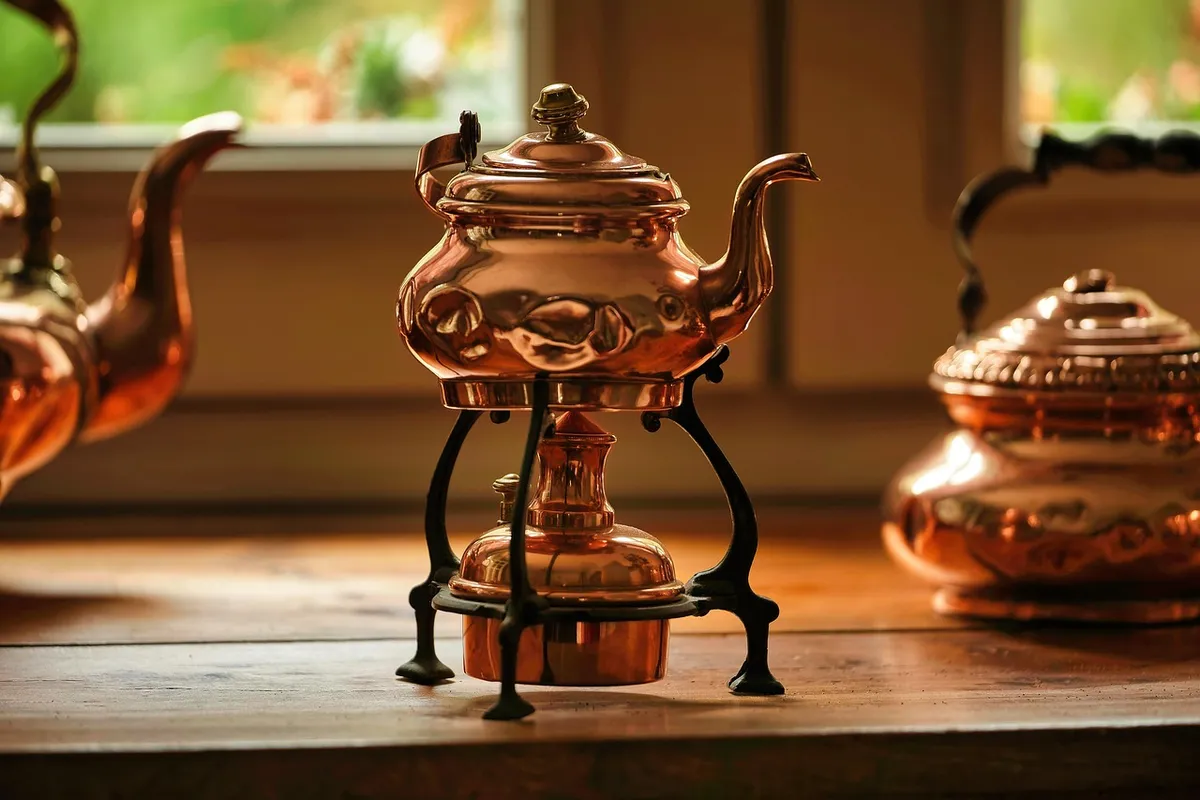
The level of temperature change a material can handle is a critical factor in usability. According to calculations, soda lime glass cookware shatters more frequently because it can only resist fracture stress for temperature differentials less than about 55 °C (99 °F).
In contrast, borosilicate glassware is estimated to tolerate a temperature differential of about 183 °C (330 °F).
This represents a three-fold difference in thermal resistance between the two types of glass. A cookware function comparison shows that choosing the right material prevents accidental shattering during cooking.
Selecting glass with higher boron content generally allows for safer transitions between heat sources.
How can I use these heat resistance guides effectively?
I grip the handle of the hot cookware in the kitchen and set it down slowly to avoid a sudden temperature shock.
A chef carefully prepares a recipe, selecting specific containers for different cooking stages. Using the right tool for the right temperature prevents kitchen accidents.
To apply these heat resistance guide principles to your kitchen, follow these steps:
- Identify the glass type by checking product labels for borosilicate or soda lime designations. 2. Match the glassware to the specific task, using higher-tolerance glass for oven-to-counter transitions. 3. Avoid sudden temperature shocks by letting glassware cool gradually or warming it slightly before use.
I noticed during my own kitchen organization that labeling glass by its thermal limit helps avoid mistakes. A tool aesthetics and use assessment often reveals that even beautiful glass must meet functional thermal requirements.
Always verify the manufacturer's specific instructions for every piece of glassware you own.
What are the limitations of glass thermal resistance?
A hand reaches for a glass bowl, pausing to consider the heat it might hold. Even the most durable glass has specific boundaries that cannot be ignored.
The primary limitation is the specific temperature differential the material can withstand. While borosilicate is much stronger, it is not invincible to extreme, rapid thermal shifts.
A cooking gear usability check must account for the fact that no glass is entirely immune to mechanical or thermal shock if limits are exceeded.
| Glass Type | Thermal Differential Limit |
|---|---|
| Soda Lime Glass | ~55 °C (99 °F) |
| Borosilicate Glass | ~183 °C (330 °F) |
This comparison highlights why material choice matters for safety. When you understand these limits, you can select more appropriate tools for your culinary needs.
- How does material composition affect cookware durability?
- What is the difference in temperature tolerance?
- How can I use these heat resistance guides effectively?
The subject here is Cookware design and usability.
This part also covers Durability and care tips.
This part also covers Cooking efficiency guide.
Heat resistance guide
Related
- Stainless pot maintenance: how to extend stainless pot life
- Cast iron pot heating efficiency: manage your cooking time
When is the initial design aesthetic insufficient?
The initial design aesthetic, while important, must be supported by functional reality. The way a piece of cookware looks contributes to the overall experience, but its ability to perform under thermal duress dictates its true value.
According to the San Francisco Museum of Modern Art, the KitchenAid stand mixer was selected as an icon of American design in 1997.
A beautiful visual presentation does not equate to suitability if the material cannot manage the cooking environment.
This functional reality check is why the chemical makeup becomes paramount. The visual appeal of the glass is secondary to its ability to withstand the thermal cycling inherent in cooking processes. Therefore, the initial design must incorporate the material science to be truly successful.
How does the initial design aesthetic relate to function?
The initial design aesthetic sets the expectation for the cookware, but the functional reality dictates its performance. The initial design must account for the thermal properties of the glass to be successful in the kitchen.
The looks of the glass are important, but its ability to handle temperature changes is what matters most during cooking.
- The initial design phase must consider the material science of the glass. 2. This consideration ensures the cookware can withstand the thermal cycling of the cooking process. 3. The functional performance overrides mere visual appeal when heat is applied.
This relationship underscores that good design integrates appearance with performance. The looks are the first impression, while the thermal tolerance is the lasting measure of quality. Therefore, the initial design must be holistically sound.
Comments 0