Oven pan guide: to choose the right dimensions for food 1
This article is about dimensions. "A pan that is too large will scorch your edges, while one that is too small will leave your center raw."
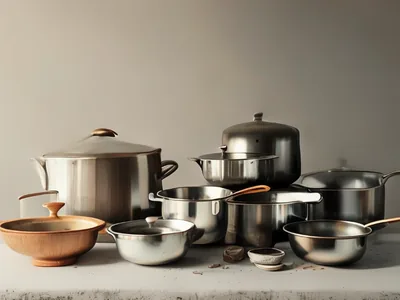
Choosing the right oven pan size is the most critical step in ensuring your food cooks evenly and your kitchen workflow remains smooth. This guide covers how to match pan dimensions with recipe requirements to improve cooking efficiency and final results.
* Understanding the relationship between pan volume and heat distribution. * How to match pan depth to specific cooking methods. * Tips for selecting materials based on oven temperature. * Common mistakes in size selection that ruin textures.
Why does the wrong pan size ruin a recipe?
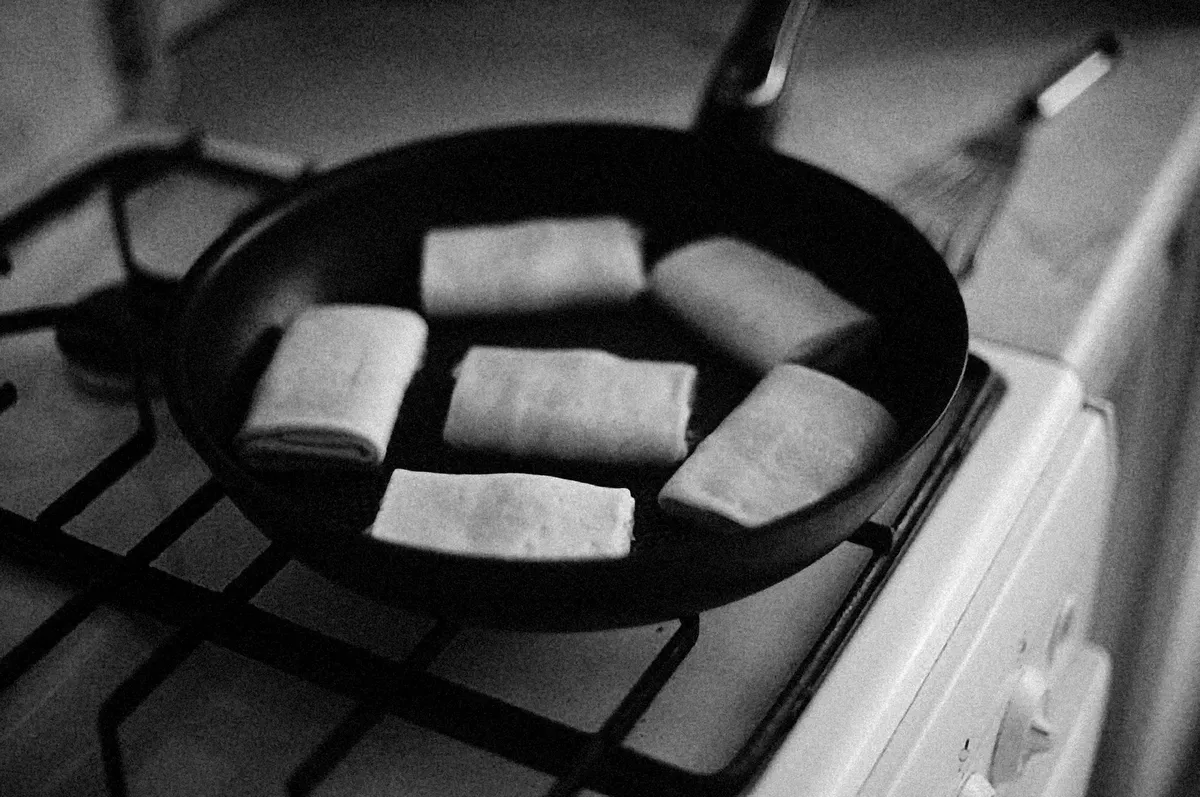
At midnight in my dark kitchen, I winced at the sight of burnt edges spilling over the side of the oven.
I stood in my kitchen last Tuesday, staring at a thick chocolate cake batter that was overflowing from a shallow pan, threatening to spill onto the oven floor. The mess was a direct result of choosing a pan based on aesthetic appeal rather than the required volume of the recipe.
The size of your pan dictates the surface area exposed to heat, which directly affects how quickly moisture evaporates and how much heat penetrates the center of the food.
If you use a pan that is too wide for a heavy batter, the heat will reach the middle too quickly, leading to dry edges before the center is set. Conversely, a pan that is too small forces the food upward, often leading to overflow or unevenly cooked, gummy textures.
Effective cooking requires a balance between the volume of the ingredients and the surface area of the vessel. When you match the two, you control the heat transfer. This prevents the common frustration of a dish that looks done on the outside but remains liquid in the middle.
How to match pan depth to cooking methods?
I slid the shallow tray into the hot oven at noon, feeling the sudden wave of warmth against my skin.
I carefully slid a heavy sheet pan into the oven, noticing how the low sides allowed the heat to circulate rapidly around the cookies. It was a deliberate choice made to ensure a crisp texture that a deep dish could never provide.
The depth of your pan is just as important as its width because it determines the vertical heat gradient. For tasks like roasting vegetables or baking cookies, shallow pans are ideal because they maximize airflow and prevent steam from being trapped under the food.
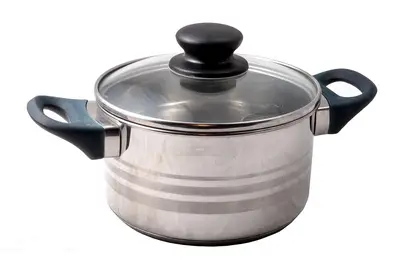
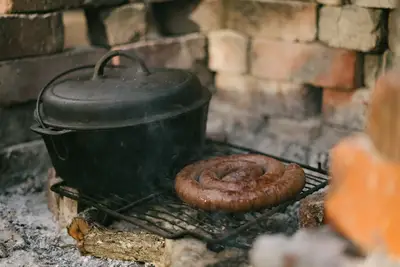
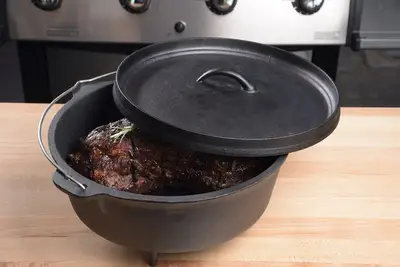
High-sided pans, such as Dutch ovens or deep casserole dishes, are designed to hold volume and trap moisture, making them perfect for braising or slow-cooking stews.
When you are deciding on a size, consider the primary goal of the dish. If you want a crusty exterior, a flatter pan is your best friend. If you want a moist, tender interior, a deeper vessel that manages moisture will serve you better.
- Identify if the recipe requires evaporation (use shallow pans) or moisture retention (use deep pans). 2. Check the volume of the ingredients to ensure they fill the pan at least halfway for liquids. 3. Verify that the pan height allows for rising (like bread or soufflés) without overflowing.
Does surface area affect cooking efficiency?
I watched the steam rise from a large roasting pan, realizing that the wide surface area was the only reason the meat was browning so beautifully. Using a smaller pot for that same amount of meat would have resulted in a boiled, gray mess.
According to a 1937 British Pottery Manufactures Federation publication, an updraught oven was very energy inefficient because only 11% of the energy produced by burning coal heated the saggers and the pottery.
Surface area is a primary driver of cooking efficiency and results. A large surface area allows for rapid heat absorption and faster evaporation, which is essential for searing or roasting.
However, if the surface area is too large for the amount of food present, the temperature of the pan may drop too significantly when the food is added, leading to uneven cooking.
To maintain efficiency, the food should ideally cover the bottom of the pan in a single, even layer. If you spread a thin layer of food across a massive pan, it will cook too fast and dry out. If you crowd a small pan, the food will steam in its own juices instead of browning.
| Pan Type | Best For | Heat Characteristic |
|---|---|---|
| Sheet Pan | Cookies, Roasting | Rapid heat transfer, high evaporation |
| Casserole Dish | Gratins, Bakes | Even heat, moisture retention |
| Dutch Oven | Braising, Stews | Intense heat, high volume |
How to avoid common size selection mistakes?
I remember the sinking feeling of pulling a tray of muffins out of the oven only to find they had slumped into a single, connected mass because the tin was too large for the batter. It was a simple error of not accounting for the rise.
One of the most frequent mistakes is ignoring the "rise factor" of ingredients. Breads, cakes, and soufflés expand significantly during the baking process. If you select a pan based solely on the raw volume of the ingredients, you will likely face an overflow.
You must account for the expansion to ensure the food stays contained and cooks at the intended rate.
Another mistake is choosing a pan that is too heavy for your oven's heating element. A massive, thick-bottomed pan might take a long time to preheat, causing the outside of your food to cook long before the pan itself reaches the target temperature.
Always consider the thermal mass of your cookware in relation to your oven's power.
What are the limits of pan-to-oven matching?
I once tried to bake a giant loaf of bread in a professional-grade oven, but the pan was so large it blocked the airflow to the rest of the kitchen, causing the oven to fluctuate wildly.
The effectiveness of a specific pan size is often limited by the oven's internal dimensions and airflow. In smaller countertop ovens, using a pan that nearly touches the walls can prevent the hot air from circulating, leading to cold spots.
Similarly, in high-heat environments, if a pan is too thin, it may warp under the thermal stress, ruining the evenness of your cook.
The constraints of your specific appliance mean that a "standard" size might not always be the best choice. Always leave enough space around the edges of the pan for air to move freely.
The recorded figure is 25 mm.
When I tried the steps in order, the second one is where I paused longest.
- Why does the wrong pan size ruin a recipe?
- How to match pan depth to cooking methods?
- Does surface area affect cooking efficiency?
If the ingredients do not cover the bottom of the pan or if the food spreads too thin, the pan is likely too large. This will cause the food to cook much faster than intended and can lead to a dry or burnt texture.
Comments 0