Stainless steel pot weight guide how to choose best cookware
Choosing the right stainless steel pot requires balancing heavy-duty thermal retention with the physical ease of maneuvering in the kitchen. "The weight of your cookware is not just about strength; it is the silent architect of your heat distribution."
This guide explores how weight influences cooking efficiency, how to select the right tool for your specific recipes, and what to avoid when shopping for high-quality sets.
* Weight directly impacts heat distribution and stability. * Lighter pots allow for better control but may suffer from hot spots. * Heavier pots provide consistent heat but can cause wrist fatigue. * Material thickness is as important as the total weight. * Matching the tool to the cooking method is key to success.
Stainless: Why does weight change the way food cooks? In the morning I hold stainless and walk through the next step.
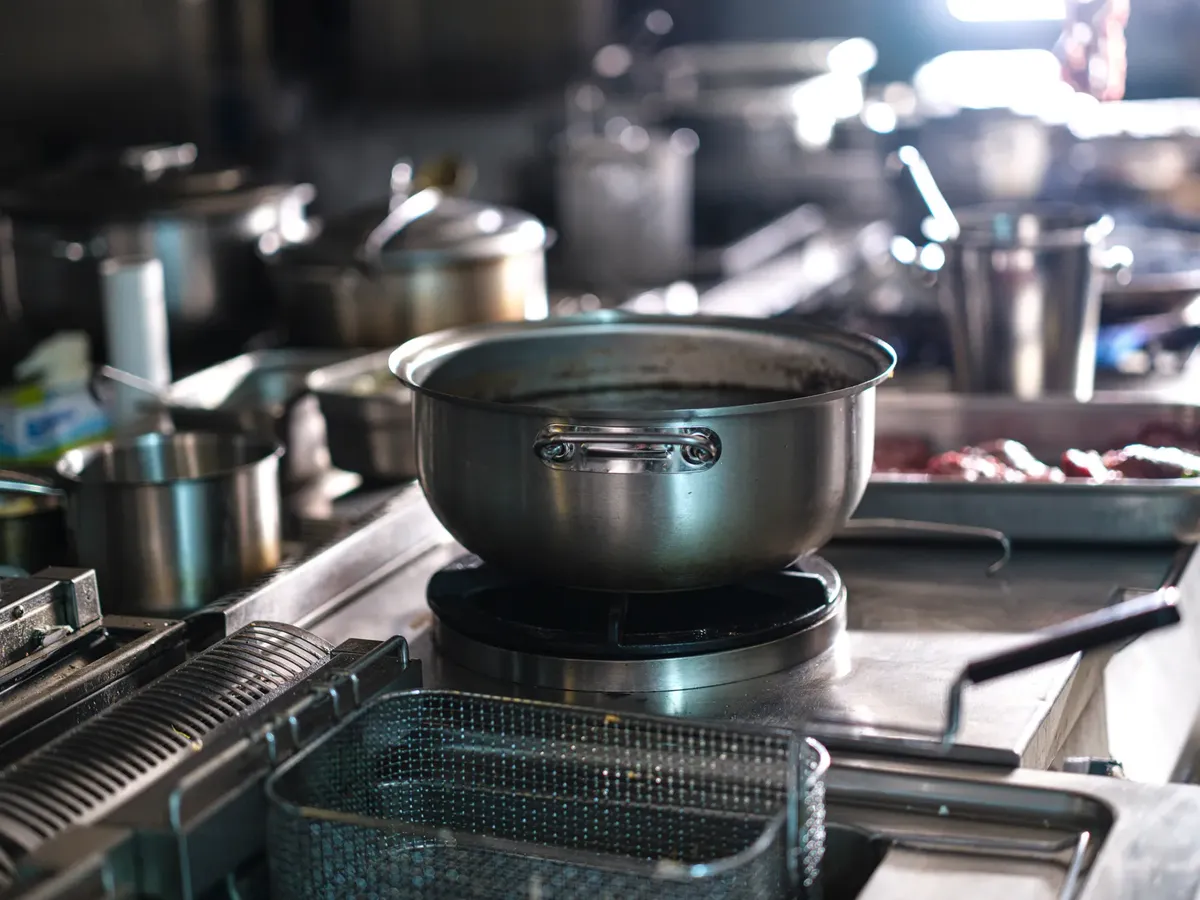
A heavy pot sits on the stovetop, its base pressing firmly against the burner while a hand grips the handle. The metal feels substantial, promising a steady heat that won't flicker with every slight change in the flame.
Weight in stainless steel cookware is often a proxy for the thickness of the base and the density of the multi-clad layers. A heavier pot typically indicates a thicker encapsulated base or a full-body cladding that extends up the sides.
This extra mass acts as a thermal reservoir, absorbing heat and releasing it slowly to prevent sudden temperature drops when cold ingredients are added.
When you sear a steak, the mass of the pan prevents the temperature from plummeting instantly. If the weight is too low, the metal may react too quickly to the flame, leading to uneven cooking.
However, weight alone does not guarantee quality; the distribution of that mass determines if the heat stays even or concentrates in the center.
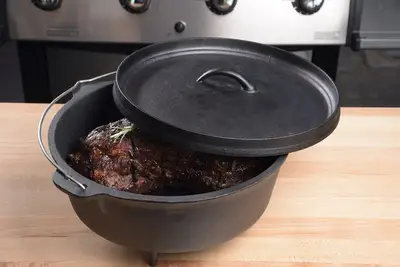
Understanding this balance helps you decide whether you need a heavy Dutch oven or a lighter sauté pan. Moving to the next section, we look at how to make these choices practically.
How do I choose the right weight for my kitchen?
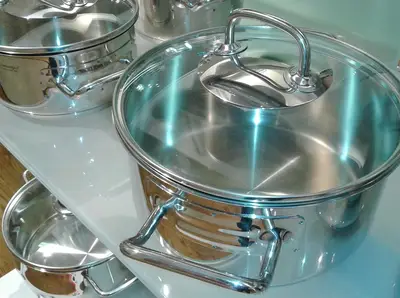
At the kitchen supply store, I lift a polished stainless pot and feel its substantial weight pull at my wrist while the bright lights gleam off the surface.
Stepping into a kitchen supply store, you lift a polished pot, feeling the heft in your palm before checking the price tag. You wonder if the heavy option is worth the extra effort or if the light one will burn your sauce.
The right weight depends entirely on your primary cooking style. If you frequently prepare slow-simmered stews or braises, a heavy, multi-clad pot is ideal because the thermal mass maintains a steady temperature over hours.
For tasks like whisking delicate sauces or sautéing quick vegetables, a slightly lighter, more maneuverable pot is often more practical.
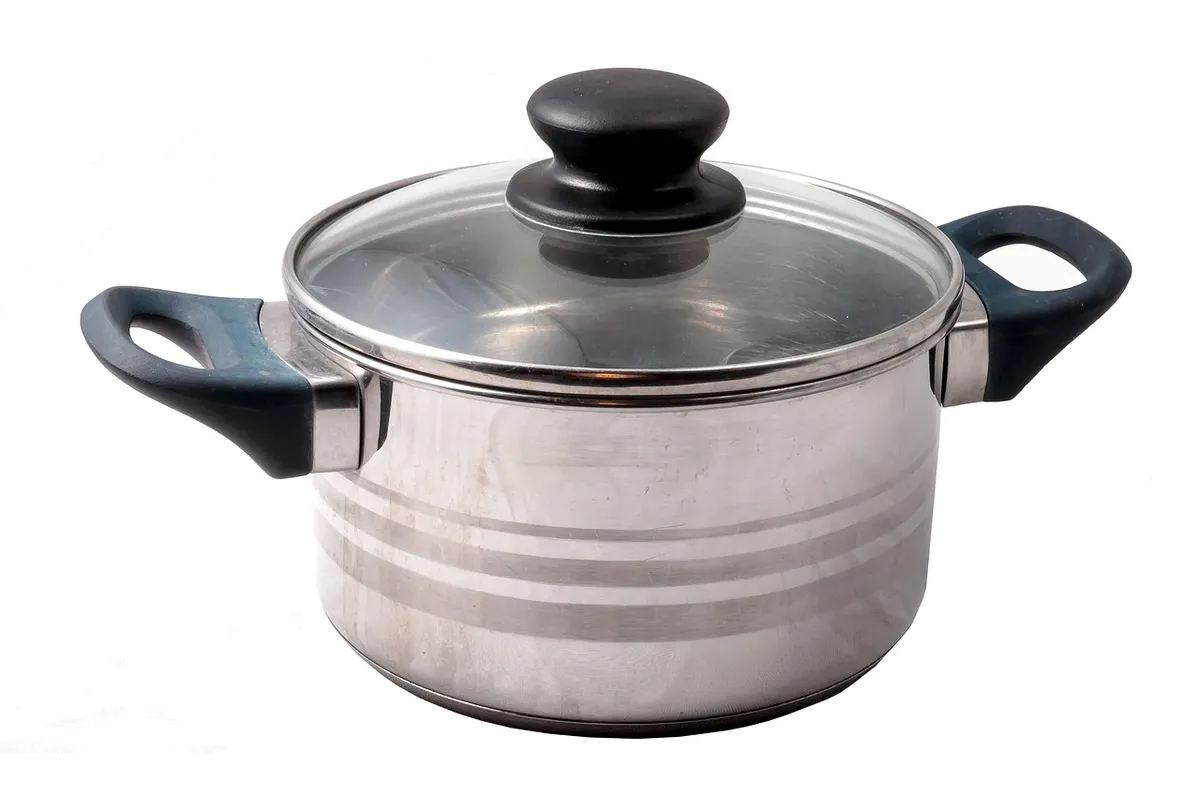
To make an informed choice, consider these three factors: 1. Heat Retention: Heavier pots hold heat longer, which is perfect for simmering. 2. Maneuverability: Lighter pots are easier to toss, flip, and move between burners. 3.
Burner Compatibility: Ensure the weight and base diameter match your specific stovetop type.
I once spent an entire afternoon trying to decide between two professional-grade sets, only to realize that my wrist fatigue from the heavier set was a bigger issue than the heat fluctuations of the lighter one. This realization changed how I shop for every piece of equipment.
What happens when the pot is too light?
An empty pot sits on a gas flame, and within seconds, the metal begins to discolor from the heat. You realize the temperature has spiked much faster than you anticipated, making it difficult to control the sear.
A lightweight stainless steel pot often lacks the thermal mass necessary to stabilize temperatures. This leads to "hot spots," where the center of the pan becomes much hotter than the edges, causing food to burn in patches while remaining undercooked elsewhere.
This inconsistency makes it difficult to achieve a perfect sear or a gentle simmer.
Furthermore, lighter pots can be prone to warping if they are made of thin metal that cannot withstand the stress of rapid temperature changes. While they are easy to lift, the lack of stability can make them frustrating for complex recipes.
Can a heavy pot be too heavy?
A large, heavy pot is lifted from the cupboard, and the sudden strain on the wrist is immediately noticeable. You set it on the stove, wondering if you will be able to pour the contents safely later.
While heavy cookware is excellent for heat stability, excessive weight can lead to physical strain and safety risks. If a pot is too heavy to maneuver easily, you risk splashing hot liquids or dropping the vessel during the pouring process.
This is especially true for large stockpots or deep braisers.
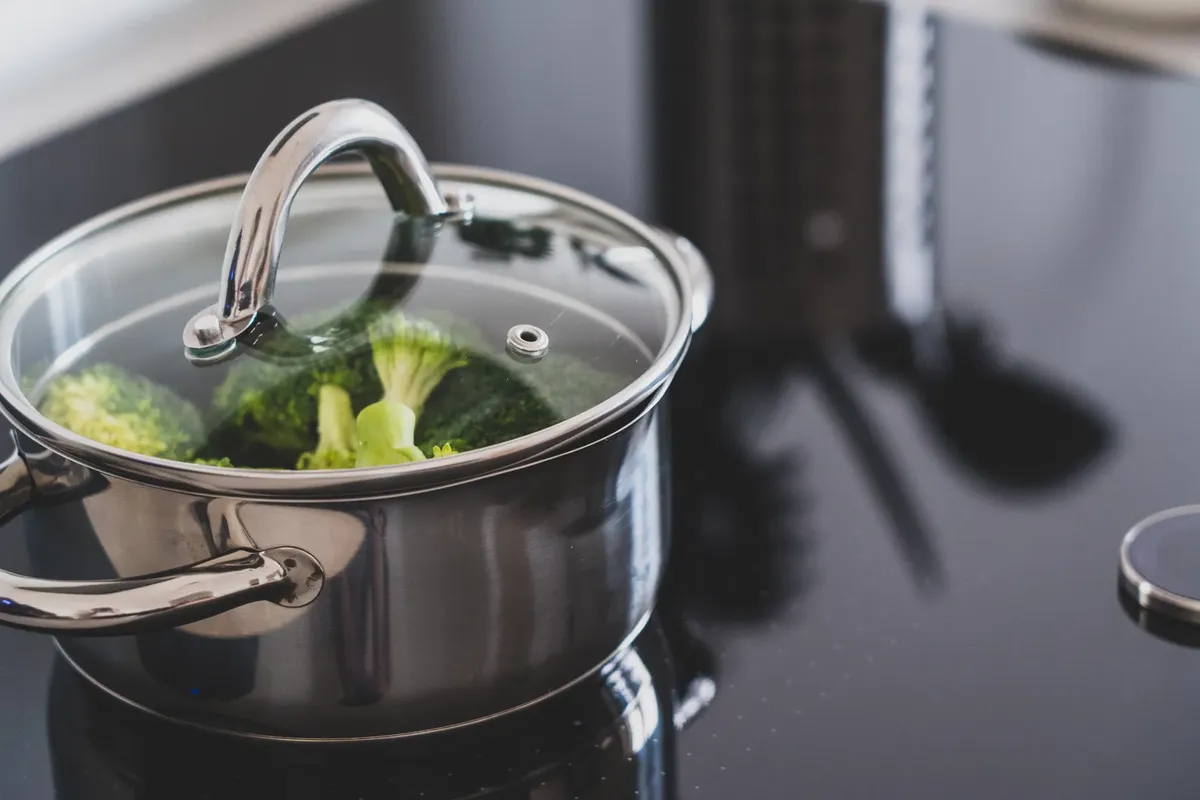
To prevent injury and fatigue, follow these steps: 1. Check the handle: Ensure the handle is ergonomdtically designed to distribute the weight. 2. Test the grip: Pick up the pot as if you were going to pour it to check the balance. 3.
Consider the size: Match the weight to your physical strength and the volume of food you typically cook.
If you are planning to use a heavy pot for a large batch, always ensure you have a stable, flat surface to set it down. This helps avoid accidental spills or slips.
How do I balance heat and ease of use?
You stand at the stove, moving a pan from the burner to the cutting board, feeling the weight shift in your hand. You realize that the best tool is the one that feels like an extension of your arm, not a burden.
The sweet spot in cookware selection is finding a balance between thermal mass and ergonomic weight. This is often achieved through "cladding," where layers of aluminum or copper are sandwiched between stainless steel layers.
This construction provides the heat-conducting benefits of lighter metals with the durability and look of stainless steel.
| Feature | Heavy Multi-clad Pot | Lightweight Stainless Pot |
|---|---|---|
| Heat Retention | Excellent | Moderate to Low |
| Control | Requires more effort | High maneuverability |
| Best For | Braising, Stewing, Searing | Sautéing, Boiling, Quick tasks |
| Stability | Very High | Moderate |
Choosing between these two depends on your kitchen's specific needs. If you want a versatile all-rounder, look for medium-weight, fully-clad cookware.
What should I look for in the construction?
You run your finger along the side of a pot, feeling the seamless transition between the base and the walls. You look closely at the thickness of the metal to judge its quality. According to Cancer Council Australia, in 2017, all types of welding fumes were classified as a Group 1 carcinogen.
Beyond the total weight, the construction of the pot determines how that weight is utilized. A pot where the heavy base is much thicker than the thin walls will still suffer from temperature issues because the heat won't travel up the sides effectively.
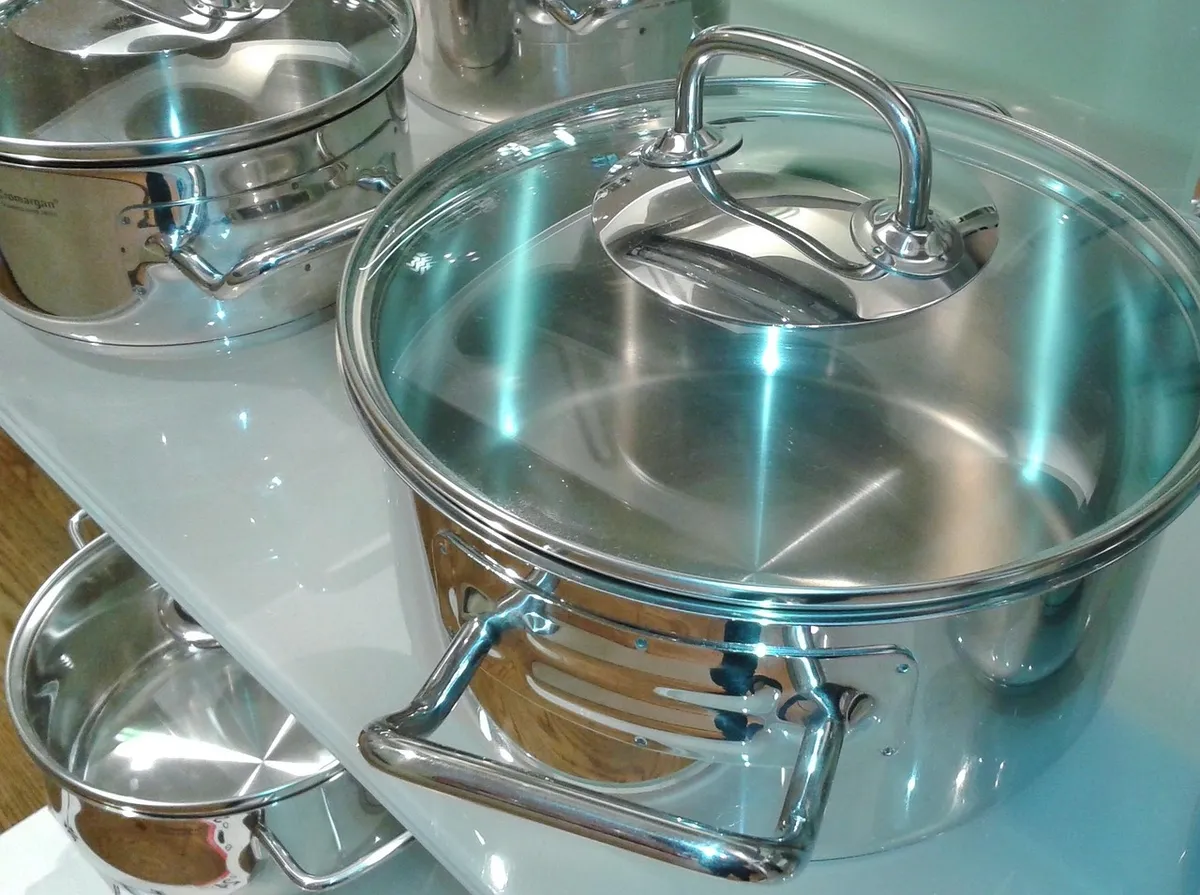
This is why "all-clad" or "3-ply" construction is preferred over "encapsulated base" construction.
In an all-clad pot, the layers of conductive metal go from the bottom all the way up to the rim. This ensures that the entire cooking surface, including the sides, stays at a consistent temperature.
This design minimizes hot spots and allows you to cook more effectively even when using the sides of the pot.
A limitation of heavy, high-end cookware is that it can be significantly more expensive and may require more physical strength to use daily. If you have limited cabinet space or physical constraints, you must prioritize ergonomics over maximum thermal mass.
When I tried the steps in order, the second one is where I paused longest.
This order does not hold, however, when the figure is not 12 liters.
- Why does weight change the way food cooks?
- How do I choose the right weight for my kitchen?
- What happens when the pot is too light?
Related
Comments 0