Stainless steel guide: How 304 grade affects your cooking
Choosing the right stainless steel cookware requires understanding how different metal compositions interact with acidic or alkaline ingredients during the cooking process. If the protective layer is compromised or if the steel grade is insufficient, you might notice a slight metallic tang in delicate sauces.
"The right vessel is not just a container, but a chemical participant in your kitchen."
This guide compares reactivity levels to help you select tools that preserve flavor and prevent metallic aftertastes.
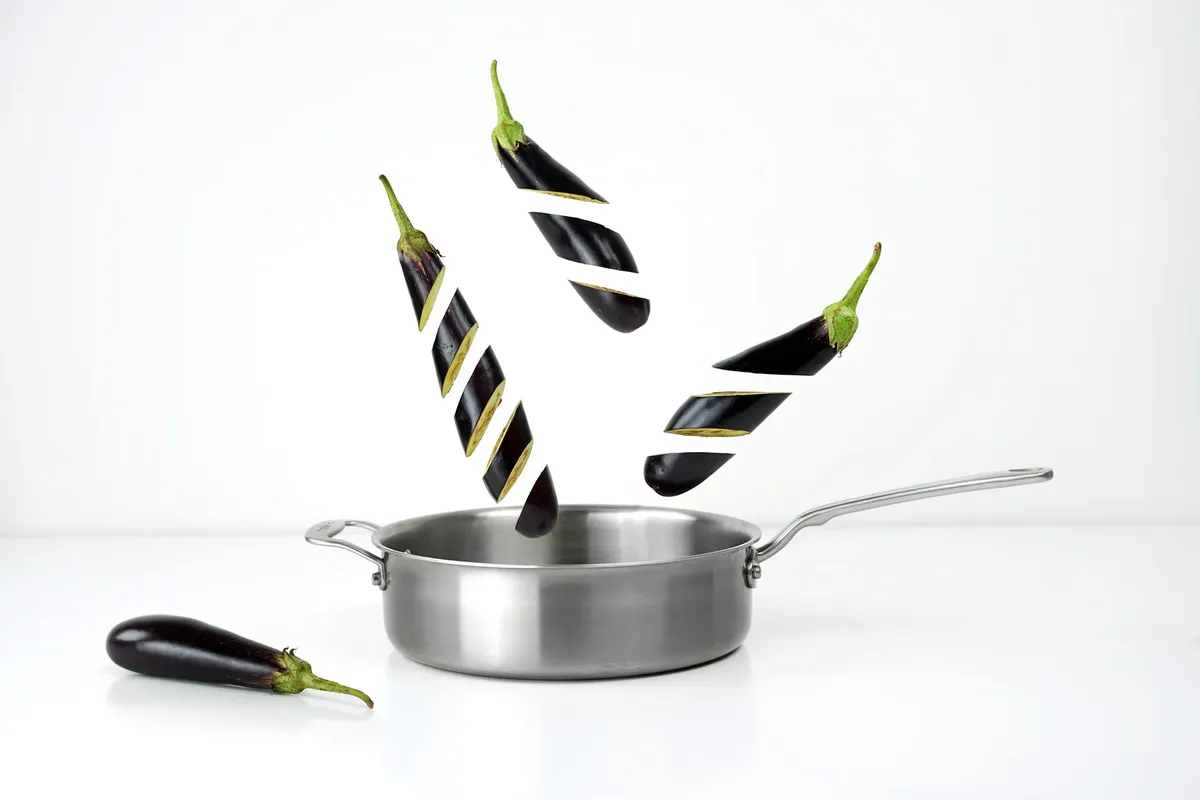
* Understand the difference between reactive and non-reactive metals. * Identify how acidity affects stainless steel performance. * Compare various grades of steel for culinary use. * Learn practical steps to maintain seasoning and surface integrity.
Why does acidity change the taste of my meal?
At dusk in the dim kitchen, you taste a sharp metallic tang after stirring the tomato sauce in the stainless pot.
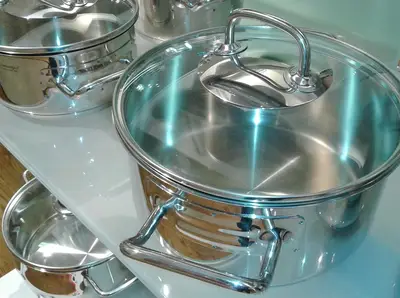
A heavy lid sits on the stove while the scent of tomato sauce begins to drift through the kitchen. When you cook highly acidic foods, the liquid can interact with the metal surface, potentially altering the flavor profile of your meal.
The reactivity of stainless steel is generally low compared to materials like aluminum or cast iron, but it is not entirely inert. While it is much more stable than copper, certain food components can still trigger subtle chemical changes.
High-acid ingredients like vinegar, lemon juice, or tomato paste can react with the chromium oxide layer that protects the steel.
This interaction happens at the molecular level where ions move between the food and the vessel.
Understanding this relationship is key to mastering heat control and flavor retention.
Is all stainless steel really the same for cooking? You grip the heavy handle in the bright kitchen, feeling the cold weight of the brushed stainless surface.
A hand slides across the smooth, brushed surface of a new pot, feeling the weight and the coldness of the metal. Not all pans are created equal, and the specific alloy used determines how much the metal reacts to your ingredients.
The reactivity of your cookware depends heavily on the specific grade of stainless steel used in its construction. Most high-quality kitchenware uses 304 or 316 grade steel, which are designed to be highly resistant to corrosion and food acids.
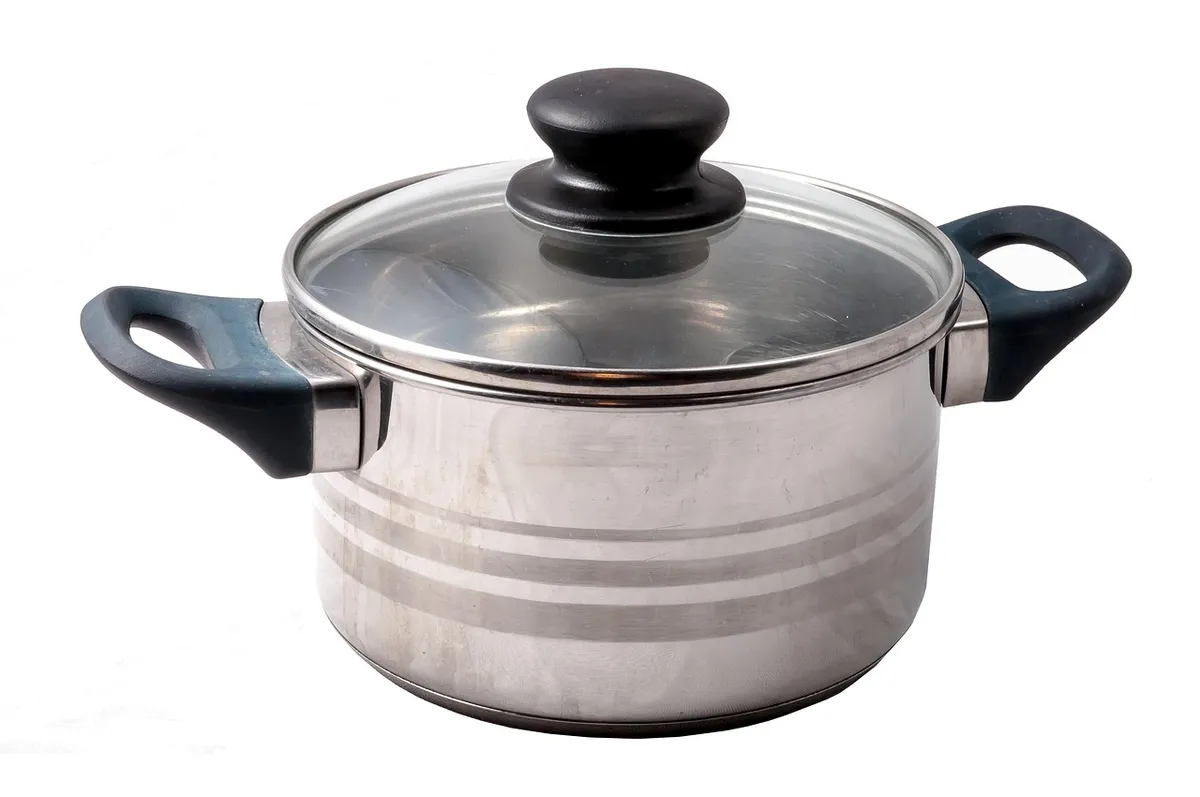
These grades contain higher levels of chromium and nickel, creating a more stable surface that prevents the metal from leaching into your food.
Lower-grade steel might have a higher impurity count, which can lead to more noticeable reactivity. When you use a pan with lower resistance, the acid in your food can more easily penetrate the surface, leading to pitting or discoloration over time.
Choosing a higher-grade alloy ensures that the vessel remains non-reactive even during long simmering sessions.
| Feature | 304 Grade Stainless Steel | 316 Grade Stainless Steel |
|---|---|---|
| Primary Use | Standard high-quality cookware | Premium, high-acid resistant cookware |
| Corrosion Resistance | High | Very High |
| Nickel Content | Moderate | Higher |
| Typical Finish | Polished or Brushed | Often more resistant to pitting |
How does heat affect the reaction?
The burner clicks to life, and the blue flame dances beneath the heavy base of the pot. As the temperature climbs, the kinetic energy of the molecules increases, often accelerating the chemical interactions between the food and the pan.
Heat acts as a catalyst for reactivity. When you are searing meat or reducing a wine-based sauce, the temperature of the metal rises significantly, which can speed up the rate at which acidic components interact with the steel.
This is why a sauce might taste different when simmered for an hour versus being quickly heated.
If the pan has uneven heat distribution, "hot spots" can develop. These spots can cause localized areas of higher reactivity, leading to uneven browning or spots where the food sticks more aggressively.
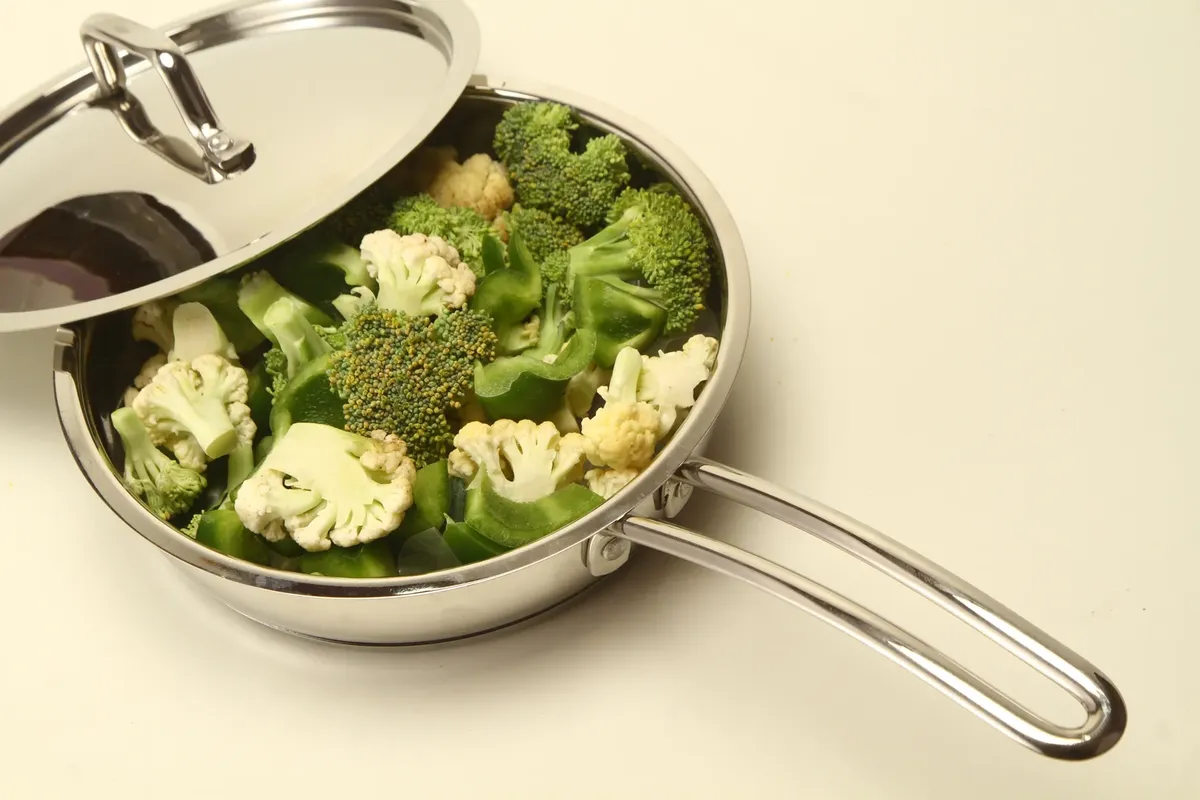
Using multi-clad construction, where layers of aluminum or copper are sandwiched between steel, helps mitigate this by spreading heat more uniformly across the surface.
How can I stop my food from tasting metallic? A wooden spoon scrapes against the bottom of the pot, checking for any signs of sticking or discoloration. To maintain the integrity of your meals, you must learn how to manage the interface between your food and your tools.
To prevent unwanted reactions, follow these practical steps:
- Preheat the pan thoroughly before adding oils or fats to establish a stable surface. 2. Avoid using highly abrasive cleaners that can strip the chromium oxide layer. 3. Use high-quality, food-grade stainless steel with sufficient nickel content.
After following these steps, check the pan's surface for a bright, even sheen. If the pan looks dull or shows dark spots after using acid, it may be time to re-evaluate the quality of your cookware or your cleaning methods.
I once used a budget-friendly set for a heavy tomato reduction, and the sudden change in color was a clear sign of high reactivity.
What are the limitations of stainless steel?
The steam from a boiling pot rises in a thick cloud, momentarily obscuring the view of the stovetop. While stainless steel is a versatile workhorse, it has specific limitations regarding heat-sensitive ingredients and extreme acidity.
According to Cancer Council Australia, in 2017, all types of welding fumes were classified as a Group 1 carcinogen.

The primary limitation is that stainless steel is not entirely immune to prolonged exposure to extremely caustic or highly acidic environments. While it is much better than reactive metals, it is not a "set it and forget it" solution for every type of chemical interaction.
For example, if a pan has micro-scratches, those areas become more susceptible to acid penetration.
| Condition | Impact on Stainless Steel |
|---|---|
| High Acidity | Can cause pitting if the grade is low |
| High Heat | Can lead to discoloration (heat tint) |
| Abrasive Cleaning | Can wear down the protective layer |
When I tried the steps in order, the second one is where I paused longest.
- Why does acidity change the taste of my meal?
- Is all stainless steel really the same for cooking?
- How does heat affect the reaction?
Related

Comments 0