Cast iron pan heating efficiency guide how to master heat
The later part of this article returns to Cast iron pan heating efficiency.
"A heavy pan is a lifetime companion, but only if you respect its heat."
Cast iron pans offer unmatched thermal retention, yet they require specific techniques to prevent uneven cooking or sticking. This guide covers how to master heat management, essential maintenance, and the specific pitfalls of high-temperature cooking.
* High thermal mass provides consistent heat distribution. * Temperature control is more about timing than flame height. * Proper seasoning prevents food from bonding to the surface. * Avoid rapid temperature changes to prevent cracking.
Why does the heat feel so intense?
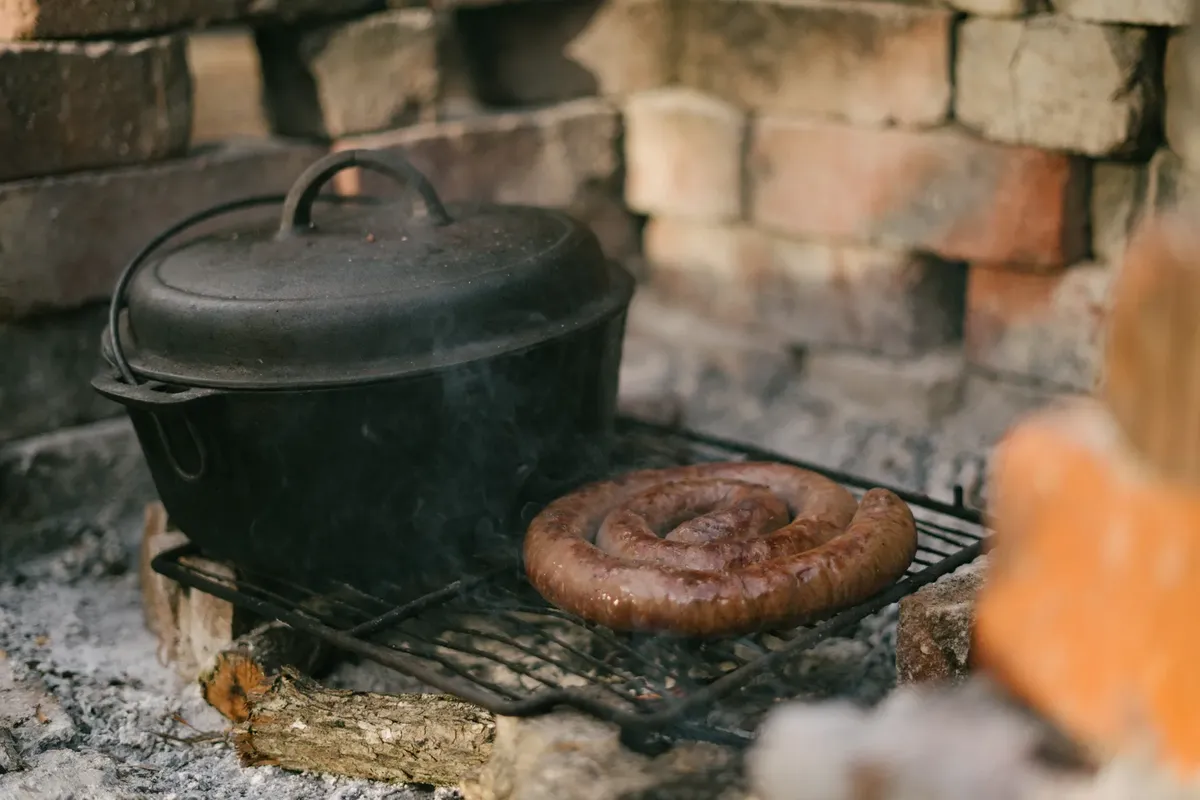
As the sun sets over the kitchen, I grip the heavy handle and feel the radiating warmth from the cast metal soak into my palms.
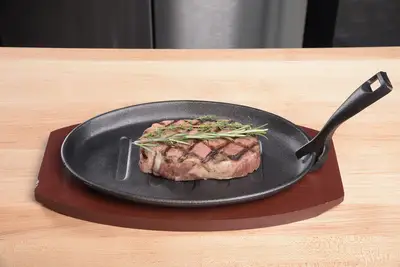
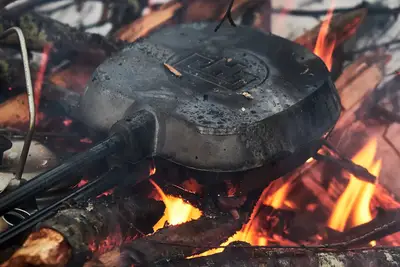
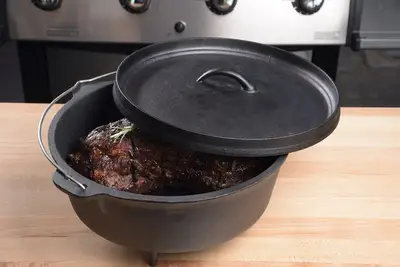
The substantial, heavy weight of a cast iron pan feels solid in your hands. You might notice that the pan stays hot long after you turn the stove down. This is because the thick metal absorbs and holds a massive amount of energy, providing a stable environment for searing meat.
The high thermal mass of cast iron means it acts like a battery for heat. While it takes longer to heat up than thin aluminum, once it reaches the desired temperature, it stays there.
This stability prevents the temperature from dropping sharply when you add cold ingredients, which is the key to achieving a perfect crust.
However, this efficiency can be a double-edged sword. If you preheat a pan too aggressively, the surface can become much hotter than the air around it, leading to scorched food. You must learn to manage the transition from the burner to the food to avoid these spikes.
How to master temperature control? Cast iron pan heating efficiency
In the quiet kitchen at dawn, I watch the shimmering oil dance across the black cast surface while I wait for the perfect sear.
I stand by the stove, watching the steam rise from the pan as I wait for the oil to shimmer. Managing a heavy pan requires patience rather than brute force. Because the metal holds heat so well, you do not need to use the highest setting on your burner to achieve high-heat results.
To use the pan effectively, follow these principles:
- Preheat the pan over medium-low heat for several minutes to allow the entire thickness of the metal to warm evenly. 2. Test the heat by dropping a small amount of water into the pan; if it dances and evaporates instantly, the surface is ready. 3. Lower the burner setting once the pan is hot to maintain a steady temperature during the cooking process.
A common mistake is turning the heat to "High" to speed up the process. This often leads to hot spots where the food burns while the edges remain undercooked. By starting low and building up, you ensure the heat is distributed throughout the metal.
- Preheat the pan over medium heat.
- Test the surface with a drop of water.
- Adjust the burner setting as needed.
The recorded figure is 200 °C.
What are the risks of extreme heat?
The metal surface feels smooth under my thumb, but I know that sudden changes can cause invisible damage. If you take a screaming hot pan and plunge it into cold water, the metal undergoes thermal shock. This can lead to warping or even catastrophic cracking of the iron.
When working with high-heat applications like searing, staying mindful of the material's limits is vital. If the temperature exceeds the structural integrity of the seasoning or the iron itself, the pan's lifespan is shortened.
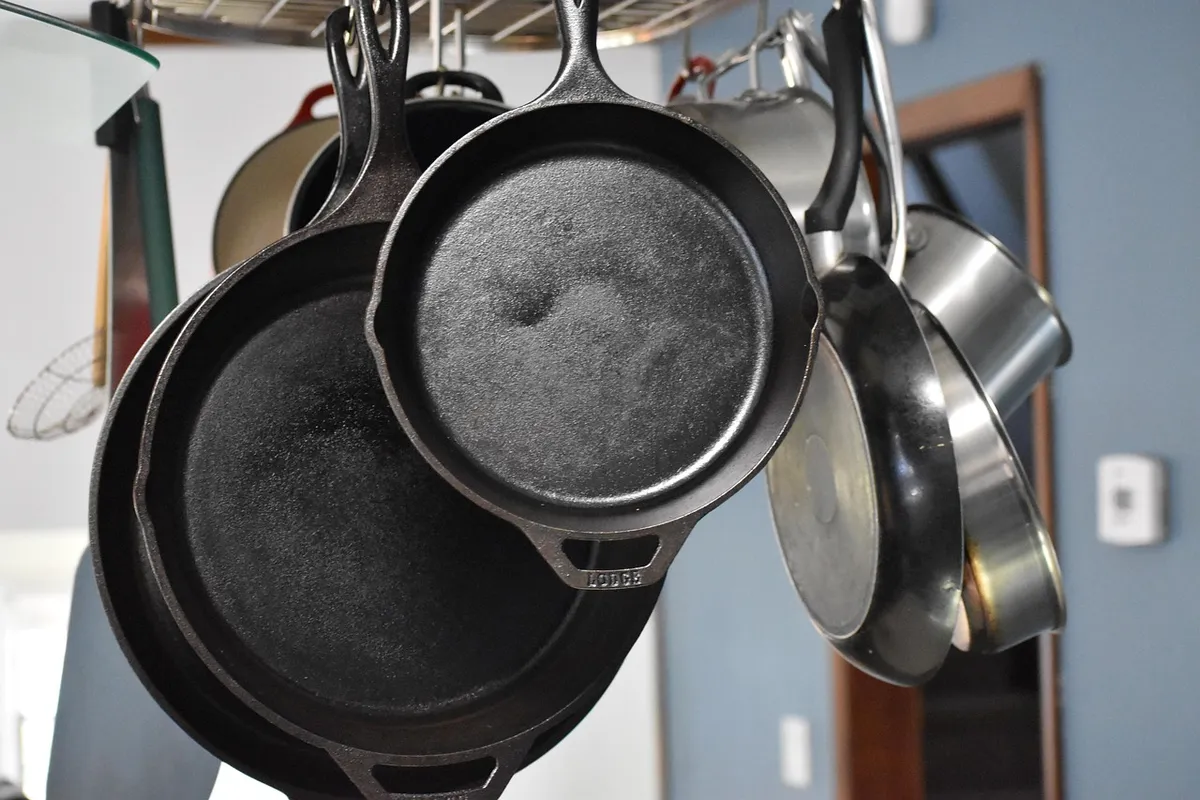
Using a heat diffuser or a heat-resistant mat can help manage these transitions. If you are cooking at very high temperatures, always remember that the pan will continue to cook the food even after it is removed from the heat source.
How to maintain the seasoning?
I carefully wipe the pan with a dry cloth, watching the dark, seasoned surface catch the light. Proper maintenance is what separates a seasoned professional from a novice.
The "seasoning" is not a coating, but a layer of polymerized oil that protects the iron and provides a natural non-stick surface.
To maintain this layer, follow these steps:
- Clean the pan after every use with warm water and a stiff brush, avoiding harsh detergents that strip the oil. 2. Dry the pan completely on the stovetop over low heat to ensure no moisture remains in the pores of the metal. 3. Apply a very thin layer of oil to the surface after cleaning to protect it from humidity and rust.
If you neglect the cleaning process, food particles can build up and create an uneven, sticky surface. Conversely, over-oiling can lead to a gummy texture that is difficult to work with.
Which pan should you choose?
I hold two different sized pans, one light and one heavy, weighing the options in my mind. Choosing the right pan depends on your cooking style and the burner capacity of your kitchen.
According to Rutgers University Press, 1992, the struggle for legitimacy in cast iron was a key historical development.
Some prefer lighter cast iron for easier maneuvering, while others want the thickest possible walls for maximum heat retention.
| Feature | Thin Cast Iron | Heavy Cast Iron | | :--- enough | :--- | :--- | | Heat Retention | Moderate | Excellent | | Response to Flame | Fast | Slow | | Best Use Case | Sautéing | Searing & Roasting |
When selecting a pan, consider the thickness of the base. A thicker base will distribute heat more evenly and resist warping better than a thin one. If you cook primarily on electric stovetops, a heavier pan can help bridge the gap in heat consistency.
Dealing with sticking and burning
I watch closely as the meat pulls away from the pan, a sign that the sear is successful. Sticking is the most common frustration for new users. It usually happens because the pan was not hot enough when the food was added, or the food was not released properly.
If food sticks, do not force it. As the proteins undergo the Maillard reaction, they will naturally release from the surface once a crust has formed. If you have to scrape, the sear is not yet complete.
To prevent sticking, ensure your pan is well-seasoned and that you use an appropriate amount of fat. The oil should be hot but not smoking excessively before the food enters the pan.
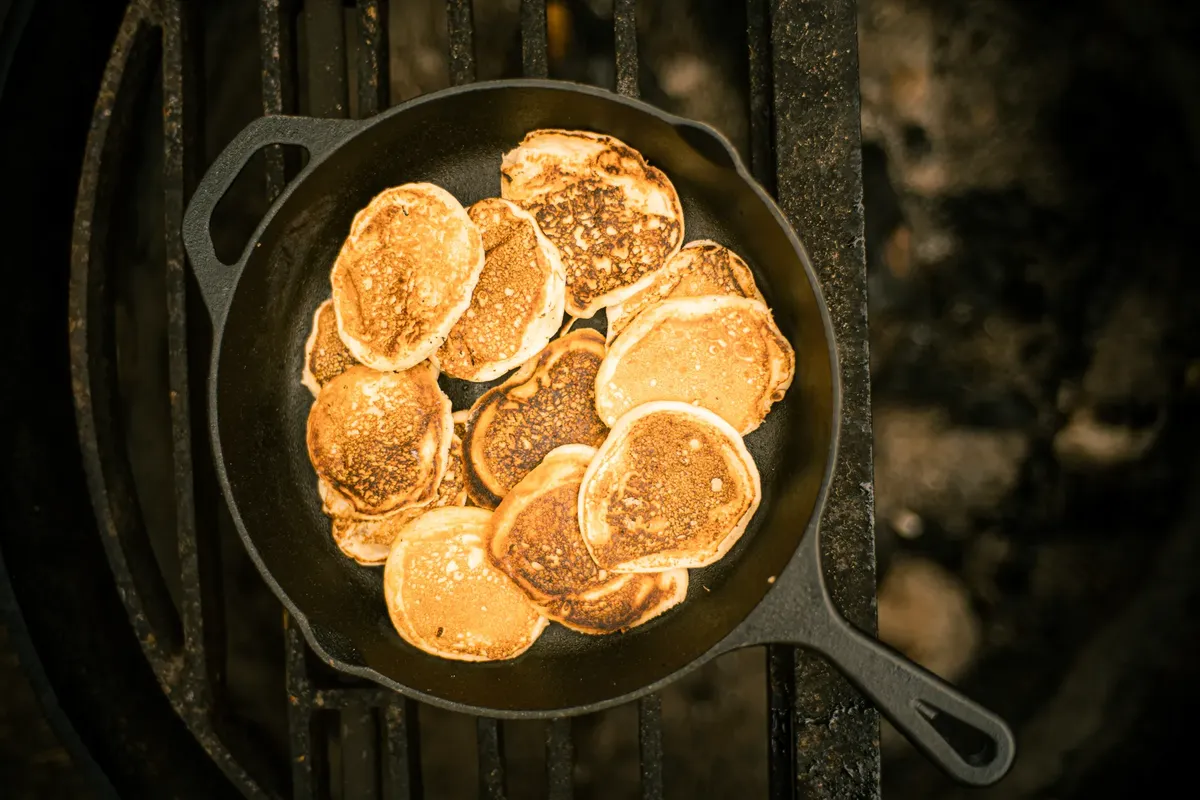
I find that the second step in this process is the most important.
When I tried the steps in order, the second one is where I paused longest.
This order does not hold, however, when the figure is not 200 °C.
The later part of this article returns to Cast iron pan heating efficiency.
The same subject is also called How to use cast iron pan.
The same subject is also called Cast iron pan cooking tips.
The same subject is also called Best cast iron pan for cooking.
The same subject is also called Cast iron pan heat retention.
This part also covers Cast iron pan heating efficiency guide.
This part also covers Proper cast iron pan usage and care.
This part also covers Cast iron pan cooking results explained.
Cast iron pan heating efficiency guide
Related
Comments 0